

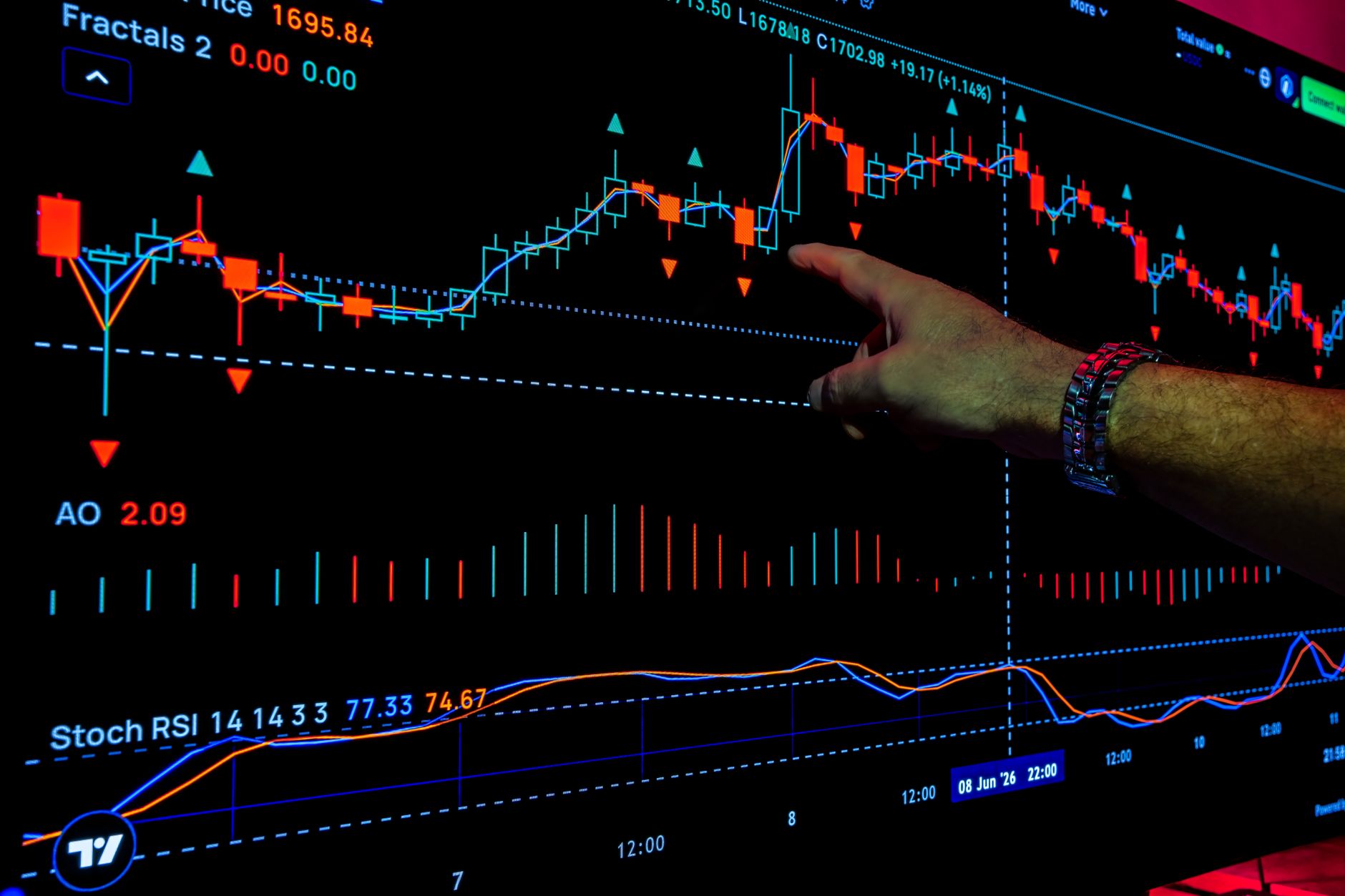
The retail investors joke has emerged following Dongbai Group’s abrupt termination of its cross-industry acquisition. This unexpected move has left many questioning the motives behind such a decision.
Understanding the Acquisition Termination
In a surprising turn of events, Dongbai Group has decided to terminate its much-anticipated cross-industry acquisition just three days after the initial announcement. This abrupt decision has left many in the financial community questioning the motives behind the acquisition and whether retail investors have been taken for a ride. The phrase “retail investors joke” seems to resonate with those who feel misled by the rapid reversal.
The termination has raised eyebrows, leading to speculation about the underlying reasons:
- Financial Instability: Analysts suggest that the acquisition may have revealed unforeseen financial risks that prompted the company to reconsider.
- Regulatory Concerns: There may have been issues related to compliance or regulatory approval that complicated the deal.
- Market Reaction: The initial market response could have contributed to the decision, as stock prices fluctuated dramatically.
As the dust settles, many are left wondering if this will serve as a cautionary tale for retail investors, highlighting the unpredictability of corporate acquisitions.
Impact on Retail Investors
The recent termination of the acquisition by Dongbai Group has left many retail investors feeling bewildered and frustrated. Just days after the announcement, the abrupt change of plans has raised questions about the decision-making processes behind such significant corporate moves. This situation has sparked a wave of discussions, with numerous investors jokingly referring to it as a “retail investors joke.”
Many retail investors who are often sidelined in these high-stakes decisions may feel particularly impacted. The abrupt termination not only affects their financial investments but also their trust in the market dynamics. Observers note that this event highlights the vulnerability of retail investors, who lack the same access to information as institutional players.
As the dust settles, it is crucial for retail investors to reflect on their strategies and consider diversifying their portfolios. They should remain vigilant and informed to navigate the unpredictable nature of corporate acquisitions and the stock market.
Market Reaction to Dongbai’s Decision
The market reacted swiftly to Dongbai Group’s unexpected decision to terminate its cross-industry acquisition. Investors, particularly retail investors, expressed their disbelief, questioning whether the situation was a poorly executed joke on their part. The abrupt reversal sent shockwaves through the stock price, which tumbled significantly within hours of the announcement.
Many analysts and market observers noted that the decision raised eyebrows, given the substantial investment Dongbai had previously committed to the acquisition. The sentiment among retail investors was one of frustration, as they had anticipated potential growth stemming from the merger. Instead, they were left grappling with uncertainty and losses.
In the aftermath, social media was abuzz with comments and memes poking fun at the situation, as some retail investors joked that Dongbai’s management was playing a cruel prank. The overall market response highlighted a growing concern about corporate governance and decision-making processes, leaving many to wonder what implications this might have for future investments.
Expert Opinions on the Situation
Experts have weighed in on the recent termination of Dongbai Group’s acquisition, with many expressing disbelief over the decision’s timing and implications for retail investors. Dr. Emily Chen, a financial analyst, referred to the situation as a “retail investors joke,” highlighting the lack of transparency that left many feeling misled. “The abrupt end to the acquisition raises serious questions about corporate governance and investor trust,” she added.
Furthermore, Mark Reynolds, a market strategist, emphasized the broader impact on the investment landscape. “This decision sends a negative signal to retail investors who are increasingly looking for stability and commitment from companies,” he noted. He advocated for more stringent regulations to protect smaller investors from sudden corporate shifts that can jeopardize their investments.
As the dust settles, analysts are closely monitoring the market’s response, with many calling for greater accountability from firms like Dongbai to maintain investor confidence.
Historical Context of Similar Moves
Historically, the acquisition landscape has seen its fair share of questionable moves that left retail investors scratching their heads. In many instances, companies have pursued aggressive expansion strategies that ultimately backfired, leading to significant losses. For example, in 2016, a major tech firm attempted to acquire a struggling startup, only to realize later that the venture was riddled with legal issues. This decision resulted in a rapid decline in stock prices, leaving retail investors feeling like the butt of a joke.
Similarly, in the mid-2000s, another high-profile merger was touted as a game changer, but it quickly turned sour due to cultural clashes and operational inefficiencies. The fallout from such decisions often raises questions about corporate governance and the interests of retail investors. These past events highlight the challenges faced by stakeholders when companies make hasty acquisition decisions, reinforcing the sentiment that retail investors often find themselves on the losing end of the deal.
- Questionable Acquisition Strategies
- Impact of Poor Planning
- Lessons for Future Investments
Future Implications for Investors
The recent termination of Dongbai Group’s acquisition has left many retail investors wondering about the future implications for their investments. As the market reacts to this abrupt decision, the sentiment among individual investors is mixed, with some dubbing the situation a “retail investors joke.” This phrase highlights the frustration felt by many who had hoped for a promising shift in the market landscape.
The fallout from such acquisitions can often lead to increased volatility, which may deter potential investors from entering the market. Analysts suggest that future corporate actions will need to be transparent and well-communicated to regain trust. Moreover, retail investors must remain vigilant and informed, as decisions made by large corporations can have significant ripple effects on their portfolios.
As the market adjusts to this latest development, it will be crucial for retail investors to evaluate their strategies and consider diversifying their holdings. The lessons learned from this situation may shape future investor behavior and corporate governance standards.
Conclusion: What Comes Next?
As the dust settles on Dongbai Group’s abrupt decision to terminate its acquisition, retail investors are left grappling with the implications of what many are calling a significant blunder. This situation raises serious questions about corporate governance and the responsibilities that companies have towards their shareholders.
In a market already fraught with volatility, the timing of this announcement has added an extra layer of uncertainty. Analysts are now speculating on how this will influence investor confidence, particularly among retail investors who often feel overlooked in high-stakes corporate strategies. Many are humorously dubbing this scenario the “retail investors joke,” highlighting the absurdity of a situation where everyday investors are left in the lurch.
Looking ahead, it remains to be seen how Dongbai will rebuild trust and what steps will be taken to prevent similar occurrences in the future. Investors are advised to remain cautious and vigilant as they navigate this unpredictable landscape.
The retail investors joke has become a common refrain among market analysts, highlighting the missteps that often lead to poor acquisition choices. In a recent survey, many participants pointed to the retail investors joke as a reflection of their skepticism toward certain high-profile mergers.
Photo by Rafael Minguet Delgado on Pexels
Where this came from
You might also like
YAAP Digital leadership: Is Anjan Roy the Right Choice? · Asian stocks rebound: Proven signals from the Fed · RBI Rate Decision December: Best Insights for Investors