

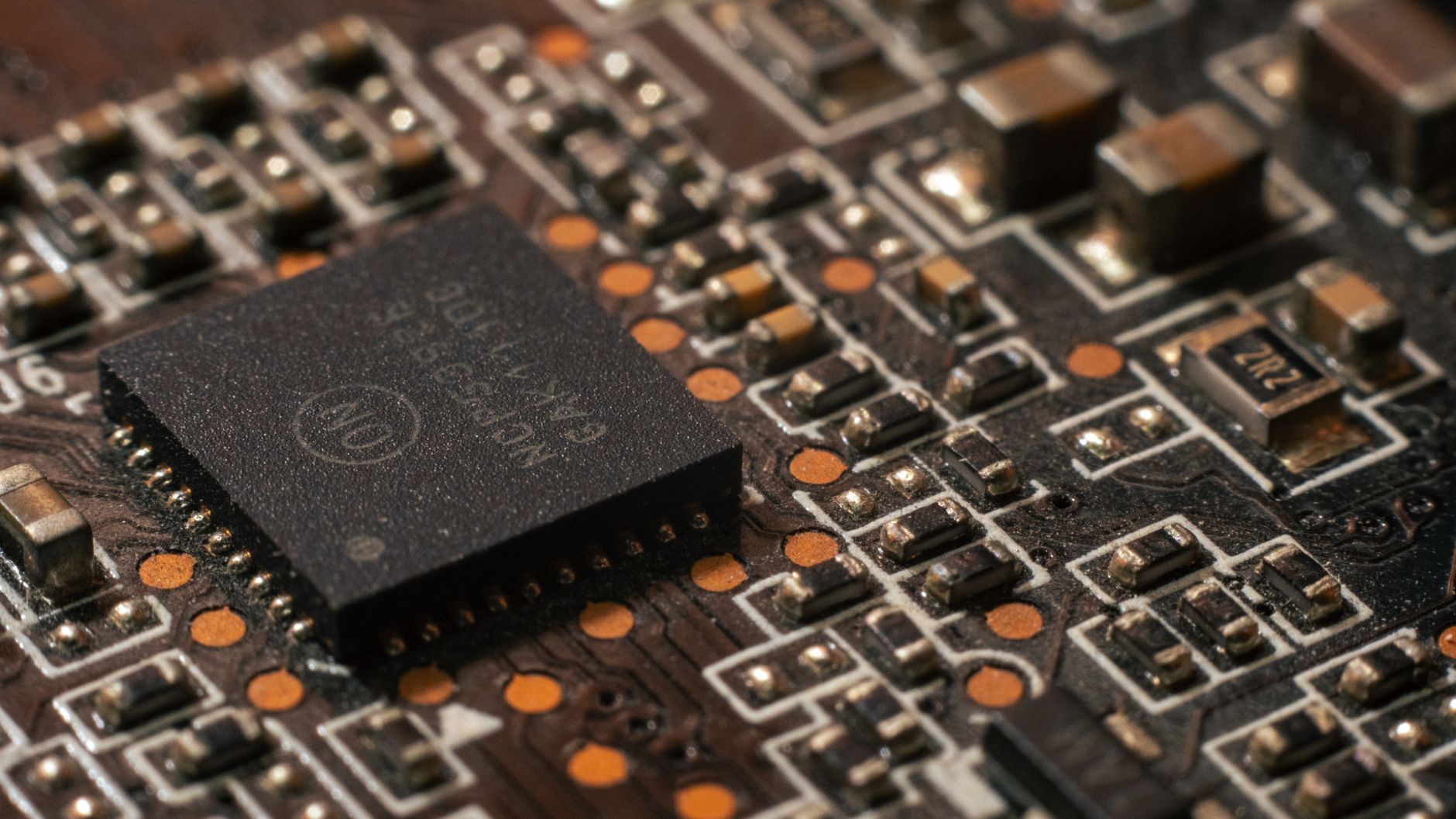
AI-designed chips are becoming a crucial focus in addressing the compute crisis. Companies like Ricursive Intelligence are betting on innovative technology to enhance performance and efficiency.
Understanding the Compute Crisis
The compute crisis, a pressing issue in the tech industry, stems from the increasing demand for processing power that exceeds current capabilities. As applications in artificial intelligence, cloud computing, and big data analytics continue to grow, traditional semiconductor manufacturing struggles to keep pace.
Key factors contributing to this crisis include:
- Rising demand: The exponential growth of data and the need for faster processing speeds have put unprecedented pressure on existing chip architectures.
- Technological limitations: Current manufacturing methods face challenges in scaling down transistors while maintaining efficiency and performance.
- Cost constraints: Developing new chip designs is expensive and time-consuming, making it difficult for companies to innovate quickly.
In this context, AI-designed chips emerge as a promising solution. By leveraging advanced algorithms and machine learning techniques, these chips can optimize design processes, leading to more efficient and powerful computing capabilities. As companies like Ricursive Intelligence invest in this technology, the hope is to alleviate some of the pressure caused by the compute crisis.
The Role of AI in Chip Design
The advancement of artificial intelligence (AI) is reshaping multiple industries, and chip design is no exception. AI-designed chips are emerging as a pivotal solution in addressing the growing compute crisis. Traditional chip design processes are often time-consuming and require extensive human input, which may not keep pace with the rapid demands of modern computing.
AI streamlines this process significantly by utilizing algorithms that can analyze vast amounts of data and optimize designs more quickly than human engineers. This capability allows for the creation of chips that are not only faster but also more energy-efficient, aligning with the increasing need for sustainable technology.
Furthermore, AI can predict performance outcomes based on various design parameters, reducing the risk of costly iterations and encouraging innovation. The benefits of incorporating AI in chip design include:
- Enhanced performance and efficiency
- Reduced design time and costs
- Increased adaptability to changing technological demands
As companies like Ricursive Intelligence invest in AI-designed chips, the future of computing looks promising, heralding a new era of technological advancement.
Ricursive Intelligence’s Innovative Approach
Ricursive Intelligence has emerged as a pioneer in the field of AI-designed chips, leveraging cutting-edge technology to tackle the growing compute crisis. Their innovative approach combines advanced algorithms with neural networks to create chips that are not only efficient but also highly adaptable. This methodology allows for rapid iterations and improvements, setting Ricursive apart from traditional chip design processes.
The company’s team of engineers and AI specialists collaborates closely to push the boundaries of what is possible in chip design. By utilizing machine learning, they can predict performance outcomes and optimize designs in real time. This results in chips that are tailored for specific workloads, making them ideal for various applications, from data centers to personal devices.
Additionally, Ricursive Intelligence places a strong emphasis on sustainability. Their chips are designed to consume less power while delivering superior performance, addressing environmental concerns associated with high-energy computing. As the demand for computational power continues to rise, Ricursive’s AI-designed chips may just be the solution needed to overcome the compute crisis.
Market Trends in AI-designed Chips
The market for AI-designed chips is rapidly evolving as companies strive to address the growing demand for computational power. This shift is driven by a variety of factors, including the increasing complexity of applications and the need for more energy-efficient solutions.
Industry analysts have noted several key trends shaping the landscape of AI-designed chips:
- Increased Investment: Major tech firms and startups alike are investing heavily in AI-driven chip design technologies, recognizing their potential to deliver superior performance.
- Collaboration and Partnerships: Companies are forming strategic alliances to leverage expertise in AI and semiconductor manufacturing, facilitating faster development cycles.
- Customization: AI-designed chips offer the ability to tailor hardware to specific applications, enhancing performance and efficiency.
- Emergence of New Players: Innovative companies, such as Ricursive Intelligence, are entering the market, challenging traditional chip manufacturers and fostering competition.
As the compute crisis deepens, the importance of AI-designed chips will become increasingly evident, positioning them as a smart solution for the future of technology.
Benefits of AI-designed Chips
The emergence of AI-designed chips presents numerous benefits that could significantly alleviate the ongoing compute crisis. These chips are engineered through advanced algorithms, enabling them to optimize performance while reducing power consumption. This efficiency is crucial in today’s tech landscape, where demand for computational power is skyrocketing.
One of the primary advantages of AI-designed chips is their adaptability. They can be tailored for specific applications, making them ideal for diverse sectors such as healthcare, automotive, and cloud computing. This specialization leads to enhanced performance and better resource utilization.
Additionally, AI-designed chips can accelerate the development cycle. Traditional chip design processes can be lengthy and costly, but leveraging AI allows for rapid prototyping and testing. This not only shortens time-to-market but also reduces development costs.
Furthermore, the integration of AI in chip design fosters innovation, paving the way for new features and capabilities that were previously unimaginable. As the industry continues to evolve, the adoption of AI-designed chips will likely become a standard practice, driving technological advancements and addressing the pressing compute crisis.
Future of AI in Technology
As the demand for computational power continues to surge, the future of AI in technology looks increasingly promising. AI-designed chips are emerging as a pivotal solution to address the ongoing compute crisis. These chips leverage advanced algorithms to optimize performance, efficiency, and design, marking a significant leap in semiconductor technology.
Experts predict that the integration of artificial intelligence in chip design will lead to:
- Increased Efficiency: AI-designed chips can significantly reduce energy consumption, making them more sustainable for large-scale applications.
- Faster Development Cycles: By automating design processes, companies can bring products to market more quickly, meeting the rapid demands of the tech industry.
- Customization: These chips can be tailored to specific applications, ensuring optimal performance for various sectors, from data centers to consumer electronics.
- Enhanced Performance: AI’s capability to analyze vast datasets allows for superior chip designs that outperform traditional methods.
The ongoing advancements in AI technology are set to redefine the landscape of chip manufacturing, positioning AI-designed chips as a smart solution for the future.
Photo by Ivan Chumak on Pexels
Where this came from
Related reading
Retail Investors Joke: The Worst Acquisition Decision · YAAP Digital leadership: Is Anjan Roy the Right Choice? · Asian stocks rebound: Proven signals from the Fed