

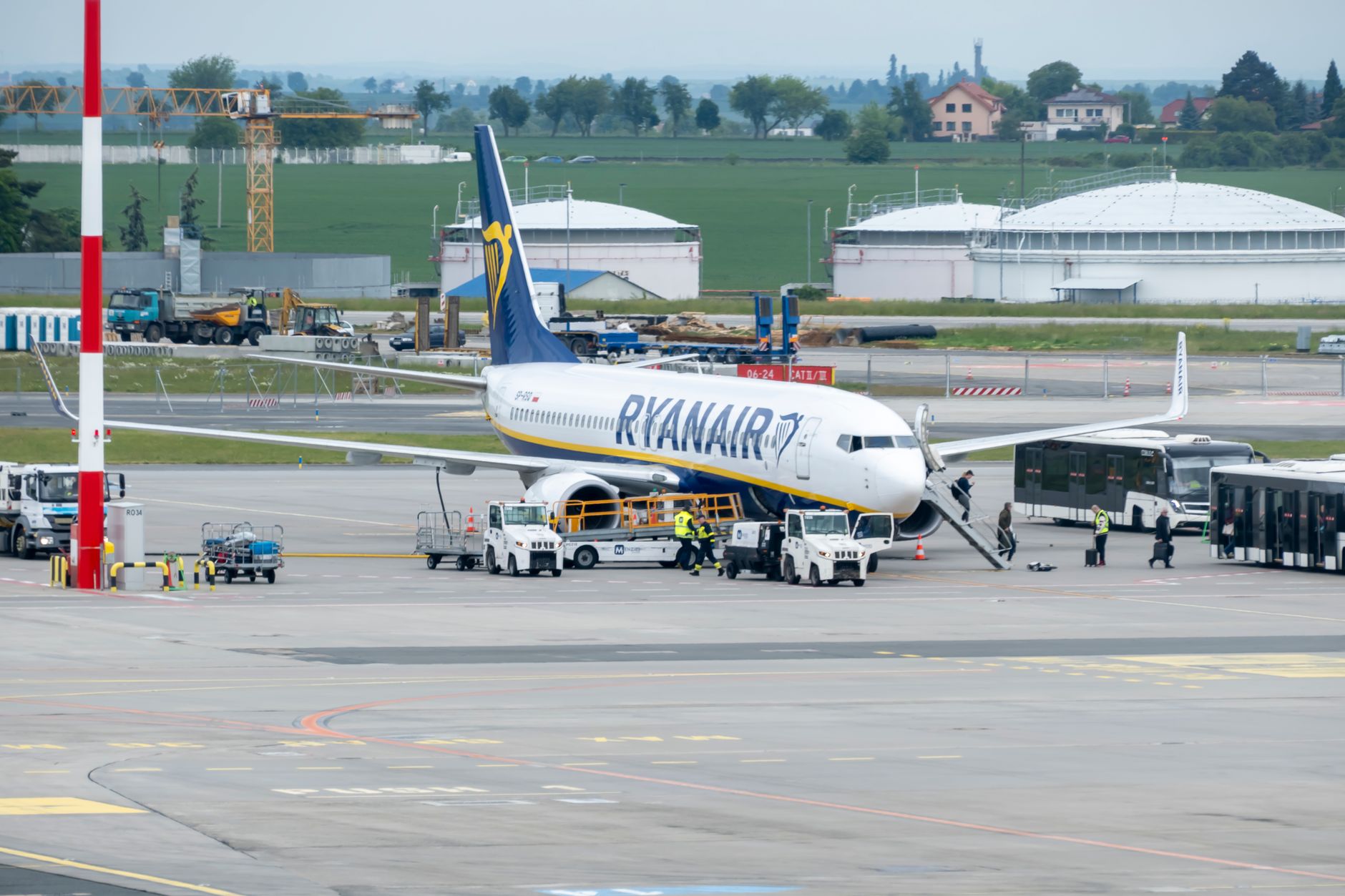
GMR Airports leadership changes are underway following the resignation of the Deputy CEO, signaling a strategic shift in the company’s management. This move comes as the co-promoter seeks to reshape leadership dynamics.
Overview of GMR Airports leadership changes
Recent developments at GMR Airports have led to significant leadership changes, marking a pivotal shift in the organization. The resignation of the Deputy CEO has prompted a reevaluation of the company’s leadership structure as co-promoters actively reshape the executive team.
These changes come at a crucial time for GMR Airports, which is navigating the complexities of the aviation industry amid post-pandemic recovery challenges. The decision to restructure leadership is seen as a strategic move to enhance operational efficiency and align with the company’s long-term vision.
The leadership changes at GMR Airports are characterized by several key factors:
- Strategic Realignment: The reshaping of leadership aims to ensure that the company is well-positioned to meet future demands and seize new opportunities in the market.
- Strengthened Governance: With new leaders stepping in, there is a focus on enhancing governance frameworks to support sustainable growth.
- Enhanced Focus on Innovation: The leadership shift is expected to foster a culture of innovation, encouraging new ideas and initiatives within the organization.
As GMR Airports navigates these leadership changes, stakeholders are keenly observing how these developments will impact the company’s strategic direction and operational performance in the coming months.
Impact of Deputy CEO resignation
The recent resignation of the Deputy CEO at GMR Airports has raised questions about the company’s future direction and stability. This move, part of a broader reshaping of leadership within the organization, signals a potential shift in strategy. Industry analysts are keenly observing the impact of these leadership changes on ongoing and future projects.
With the departure of such a high-ranking official, stakeholders are reflecting on several key areas of concern:
- Operational Continuity: The resignation may lead to uncertainty in day-to-day operations. It is crucial for GMR Airports to ensure that current projects progress smoothly during this transition.
- Investor Confidence: Leadership changes can often trigger anxiety among investors. The company needs to reassure stakeholders about its commitment to growth and stability amidst these shifts.
- Strategic Vision: As GMR Airports undergoes leadership changes, the new management team’s vision will be critical. Their approach to innovating and expanding the airport’s infrastructure will be watched closely.
In summary, the impact of the Deputy CEO resignation is multifaceted, influencing not only internal dynamics but also external perceptions of GMR Airports. As the company embraces these leadership changes, its success will depend on how effectively it navigates this period of transition.
Future of GMR Airports management
The recent leadership changes at GMR Airports have sparked discussions about the future direction of the company’s management. With the resignation of the Deputy CEO, the spotlight is now on how these shifts will impact the organization’s operational strategies and long-term vision.
Industry experts suggest that the management changes may lead to a more agile decision-making process. This could be beneficial in adapting to the rapidly evolving aviation market, especially in the wake of post-pandemic recovery. The focus on innovation and sustainability is likely to intensify as new leaders step in to redefine GMR Airports’ approach.
Stakeholders are keenly observing the following aspects:
- Leadership Style: The incoming executives may bring fresh perspectives, which could lead to a shift in company culture.
- Strategic Focus: An emphasis on digital transformation and customer experience might become paramount.
- Financial Health: Investors will be watching closely to see how these changes influence the company’s profitability and growth trajectory.
As GMR Airports navigates this transitional period, the commitment to maintaining operational excellence remains crucial. The potential for innovation and growth is significant, making the future of GMR Airports management a topic of great interest and speculation.
Understanding corporate restructuring trends
As companies navigate a rapidly evolving business landscape, understanding corporate restructuring trends has become essential for maintaining competitiveness and operational efficiency. GMR Airports, in light of its recent leadership changes, exemplifies how organizations adapt to both internal and external pressures.
Corporate restructuring often involves the reorganization of management roles, which can lead to a more streamlined decision-making process and improved strategic focus. Key trends influencing such changes include:
- Adaptability to Market Demands: Companies must pivot quickly to respond to shifts in market dynamics, necessitating agile leadership structures.
- Emphasis on Innovation: Restructuring often aims to foster a culture of innovation, empowering leaders to drive new initiatives and enhance competitiveness.
- Focus on Sustainability: Modern leadership changes frequently prioritize sustainability, reflecting growing consumer expectations and regulatory requirements.
- Diversity and Inclusion: Restructuring efforts increasingly incorporate diverse voices, enriching decision-making and aligning with broader societal changes.
The recent GMR Airports leadership changes highlight the importance of these trends. By adapting to the evolving landscape, the organization aims to position itself strategically for future challenges and opportunities. Understanding these corporate restructuring trends can provide valuable insights for stakeholders and industry observers as they analyze GMR Airports’ ongoing evolution.
The recent GMR Airports leadership changes have sparked significant interest among industry analysts. Understanding the implications of these GMR Airports leadership changes is crucial for stakeholders looking to navigate the evolving landscape of airport management.
Photo by Ben Leonard on Pexels
References
IRFC Q2 Results: Clear Insights on Earnings and Dividends · Corporate Yacht Events in Dubai: A Modern Approach to Business Hospitality · AI age in India: The Right Path or a Wrong Turn?