

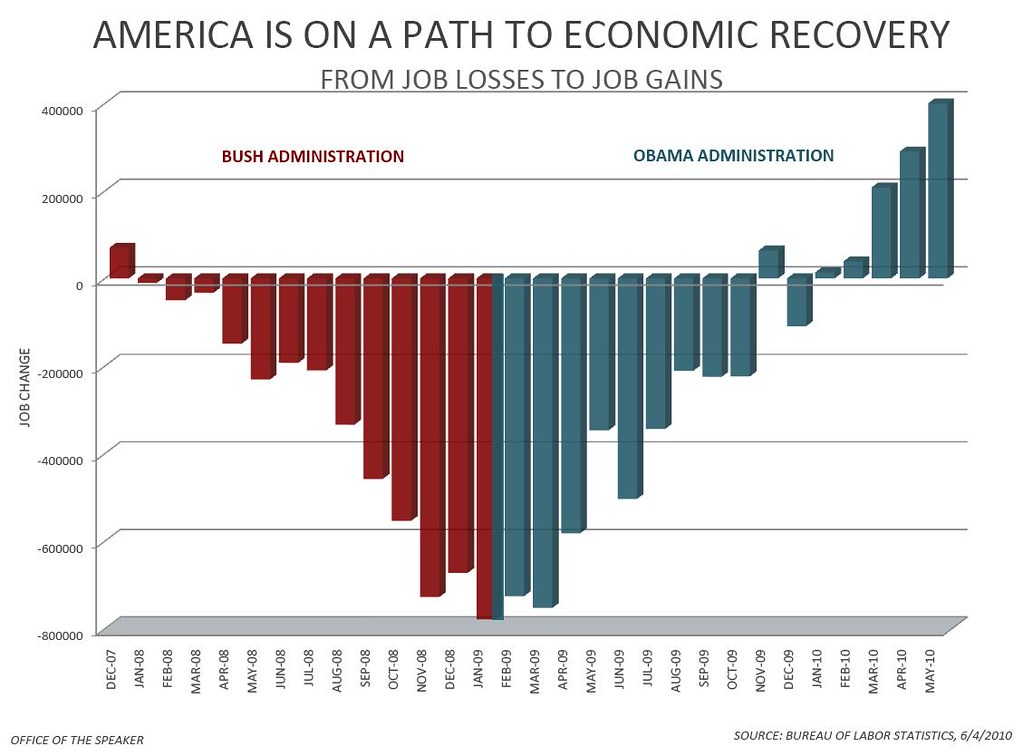
Rate cuts economy are becoming a focal point as major banks anticipate changes due to a slowing economic landscape. This shift could have significant implications for borrowers and the financial sector.
Understanding Rate Cuts
The relationship between rate cuts and the economy is complex yet crucial for understanding banking trends. When central banks decide to lower interest rates, it is often a response to a slowing economy. This action aims to stimulate growth by making borrowing cheaper for individuals and businesses.
As rates decrease, several effects can be observed:
- Increased Borrowing: Lower rates encourage consumers to take out loans for big purchases, such as homes and cars, thereby boosting spending.
- Investment Growth: Businesses are more likely to invest in expansion when financing costs are reduced, leading to job creation.
- Bank Profitability: While lower rates can squeeze bank margins, they can also lead to increased loan demand, which may offset losses.
However, the impact of rate cuts on the economy can vary. For instance, if consumers and businesses remain cautious, the intended stimulation may not materialize. As major banks anticipate earlier rate cuts, understanding these dynamics becomes essential for navigating the evolving economic landscape.
Impact on Borrowers
The recent trend of rate cuts in the economy has significant implications for borrowers. As interest rates decline, individuals and businesses alike may find increased access to credit, allowing them to make larger purchases or invest in growth opportunities.
With lower borrowing costs, many borrowers can expect:
- Reduced Monthly Payments: Rate cuts typically translate into lower interest rates for loans, which can reduce monthly payment amounts for homeowners and auto buyers.
- Increased Affordability: Lower rates can make it easier for individuals to afford larger loans, positively impacting housing and consumer goods markets.
- Improved Investment Opportunities: Businesses may take advantage of lower rates to finance expansion, leading to job creation and economic growth.
However, borrowers must also remain cautious. While rate cuts can stimulate the economy, they may also signal underlying economic challenges. Understanding the balance between lower rates and economic conditions is crucial for making informed financial decisions.
What Banks Are Saying
As the economy shows signs of slowing, major banks are adapting their strategies in anticipation of potential rate cuts. Financial institutions are closely monitoring market conditions and consumer behavior, leading to varied responses across the sector.
Many banks are expressing optimism that rate cuts could stimulate borrowing and spending, which would, in turn, bolster economic activity. According to analysts, the following trends are emerging:
- Increased Lending: Banks are preparing to offer more competitive loan products, anticipating that lower interest rates will encourage consumers to borrow.
- Focus on Savings Accounts: With rate cuts economy influencing deposit rates, banks are likely to enhance savings account features to attract customers.
- Investment in Technology: To streamline operations, banks are investing in digital platforms that facilitate easier access to financial services for their customers.
While some banks remain cautious, the general consensus reflects a belief that rate cuts could create a more favorable environment for lending, potentially reigniting growth in the banking sector.
Economic Indicators to Watch
As the economy navigates through potential rate cuts, several economic indicators will provide crucial insight into the overall health of the financial landscape. Analysts and economists are closely monitoring these indicators to assess the broader implications of rate cuts on the economy.
- Gross Domestic Product (GDP): A slowdown in GDP growth may prompt central banks to consider rate cuts as a measure to stimulate economic activity.
- Unemployment Rates: A rise in unemployment can signal a weakening economy, leading to discussions about rate cuts to support job creation.
- Inflation Rates: Persistent low inflation could encourage central banks to lower rates in an effort to boost spending and investment.
- Consumer Confidence Index: Shifts in consumer sentiment can influence spending habits, impacting the overall economy and potentially guiding rate cuts.
- Bank Lending Activity: An increase in lending can indicate a more robust economy, while stagnation may lead banks to push for rate cuts to invigorate borrowing.
Monitoring these indicators will be essential for understanding the ripple effects of rate cuts on the economy, especially in the banking sector.
Future Predictions for Banking
As the economy shows signs of slowing, predictions regarding future banking trends indicate a potential shift influenced by expected rate cuts. Analysts believe that these cuts will play a significant role in shaping the financial landscape in the coming months.
Several key factors are likely to affect how banks adapt to a changing economic environment:
- Increased Borrowing Demand: With lower interest rates, both individuals and businesses may seek to take advantage of cheaper loans, potentially boosting bank revenues.
- Pressure on Profit Margins: While rate cuts can spur lending, they may also compress profit margins for banks, leading to tighter controls on expenses and risk management.
- Investment Shifts: Banks might redirect their investment strategies to focus on higher-yield avenues, aiming to balance out the effects of decreased interest income.
- Regulatory Changes: As rate cuts change the dynamics of the economy, regulatory bodies may adjust policies to ensure financial stability and protect consumers.
In summary, rate cuts economy trends will undoubtedly influence banking strategies, leading to a landscape that requires agility and innovation.
The rate cuts economy has led banks to adjust their lending practices to remain competitive. As a result, we are witnessing a shift in consumer borrowing habits influenced by the changing dynamics of the rate cuts economy.
By Speaker Nancy Pelosi via Openverse
Sources
Related stories
- Stop Switch RBI: The Smart Way to Block Digital Payments
- Nifty slips below 25400: Worst Day for Markets
- Bitcoin Price Recovery: Is It the Best Time to Invest?