

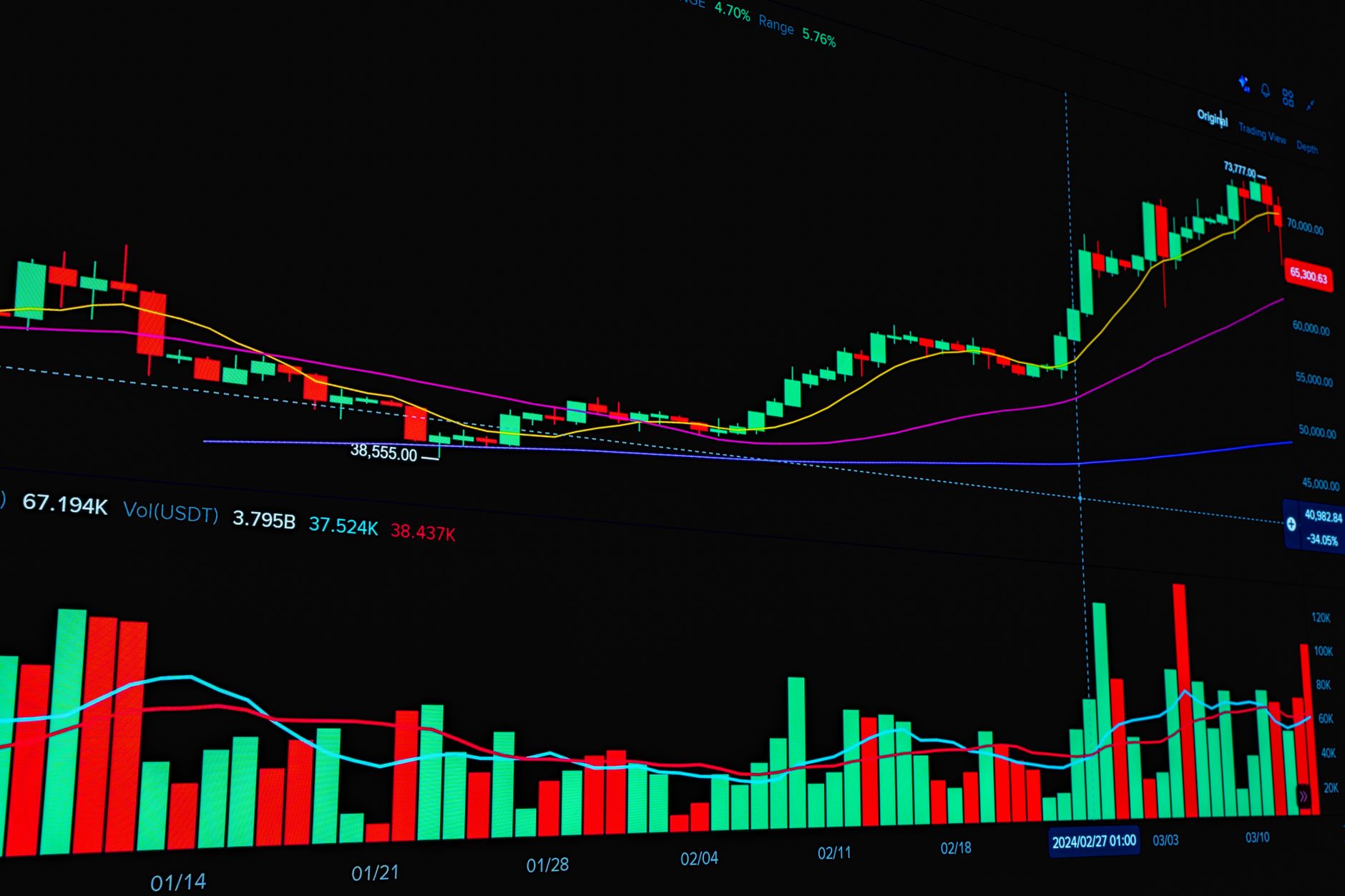
Stocks falling today is a concern for many investors. As oil prices rise and Treasury yields hit 5%, the market faces increasing pressures that could impact your investments.
Understanding the Current Market Trends
The stock market is facing significant turmoil today, with many investors concerned about the factors contributing to the decline. Understanding these trends is crucial for making informed decisions.
One of the primary reasons for stocks falling today is the rise in oil prices, which has raised concerns about inflation and its potential impact on economic growth. Higher oil prices can lead to increased transportation and production costs, ultimately affecting corporate profits.
Additionally, Treasury yields have reached 5%, prompting fears that rising interest rates may hinder economic recovery. As investors anticipate potential Federal Reserve rate hikes, market sentiment has turned cautious.
Key factors to monitor include:
- Inflation Concerns: An increase in prices can lead to tighter monetary policy.
- Geopolitical Tensions: Ongoing conflicts may disrupt markets and investor confidence.
- Corporate Earnings Reports: Disappointing earnings can negatively influence stock performance.
Overall, the combination of rising oil prices and increasing Treasury yields is intensifying fears among investors, contributing to the stocks falling today.
Impact of Rising Oil Prices
The impact of rising oil prices has been significant on the stock market, contributing to the phenomenon of stocks falling today. As oil prices increase, production costs for many companies also rise, leading to decreased profit margins. This trend can particularly affect industries such as transportation and manufacturing, which rely heavily on oil for their operations.
Several factors contribute to the recent surge in oil prices:
- Geopolitical tensions: Ongoing conflicts in oil-producing regions can lead to supply disruptions and increased uncertainty in the market.
- OPEC+ production cuts: The decision by OPEC+ to limit production has been a key driver of rising prices, as it reduces available supply in the global market.
- Increased demand: As economies recover from the pandemic, the demand for oil has surged, pushing prices higher.
The combination of these factors has created a ripple effect, making investors more cautious and contributing to the downward trend in stock prices. With rising oil costs, many analysts warn that the market may continue to face pressure in the coming weeks.
Treasury Yields and Their Significance
The recent decline in the stock market has been significantly influenced by rising Treasury yields. Investors closely monitor these yields as they serve as an indicator of economic health and future interest rate movements. When Treasury yields climb, borrowing costs for consumers and businesses also tend to increase, which can dampen economic growth and negatively impact stock prices.
Today, Treasury yields have reached 5%, prompting concerns among investors about the potential for further interest rate hikes by the Federal Reserve. This situation has led to increased volatility in the stock market, contributing to stocks falling today.
Key reasons for the significance of Treasury yields include:
- Investor Sentiment: Higher yields can lead to lower stock valuations as investors shift their focus to fixed-income securities.
- Inflation Concerns: Rising yields often signal fears of inflation, which can erode purchasing power and affect corporate profitability.
- Fed Policy Influence: The Fed’s actions regarding interest rates directly correlate with Treasury yields, impacting market expectations.
As the market reacts to these developments, understanding the relationship between Treasury yields and stock performance remains crucial for investors navigating today’s challenging environment.
What Investors Should Watch For
As investors navigate the uncertainty surrounding stocks falling today, several key factors warrant close attention. Understanding these elements can provide insights into the market’s trajectory and help inform investment strategies.
- Global Economic Indicators: Keep an eye on economic reports, such as employment figures and GDP growth rates, as they can significantly influence market sentiment.
- Inflation Trends: Rising inflation may prompt further interest rate hikes from the Federal Reserve, which could exacerbate market volatility.
- Corporate Earnings: Upcoming earnings reports will be crucial. Disappointing results from major companies can lead to broader market declines.
- Geopolitical Developments: Events such as trade negotiations or international conflicts can impact investor confidence and market stability.
- Sector Performance: Pay attention to sectors that are particularly sensitive to rising oil prices or interest rates, as they might face more significant challenges.
By monitoring these factors, investors can better position themselves amidst the uncertainty of stocks falling today and make informed decisions to navigate the tumultuous market environment.
Photo by Rafael Minguet Delgado on Pexels
References
- Personal Tax Allowance Change: Clear Benefits for You
- Ultraviolette funding news: Best proven investment boost
- Gold price forecast: What are the proven trends for 2023?