

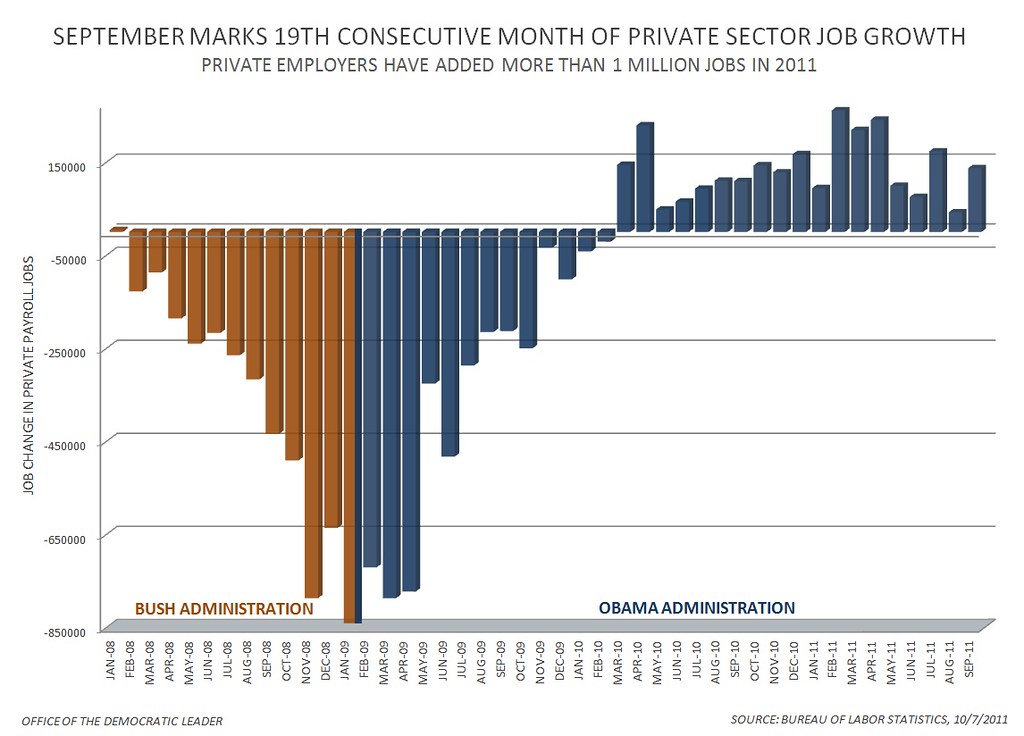
US job growth has slowed sharply in September, raising concerns about the economy’s health and the rising unemployment rate.
Analysis of US job growth trends
Recent data reveals a concerning trend in US job growth, with signs indicating a sharp decline in September. The unemployment rate has risen to 4.2%, suggesting potential challenges ahead for the labor market. Analysts are closely examining these developments, as the slowdown in job creation could impact consumer confidence and overall economic stability.
Several factors may contribute to this downturn in US job growth:
- Economic uncertainty: Fluctuations in inflation and interest rates can lead to hesitancy among employers.
- Labor shortages: Continued difficulties in filling positions may hinder growth opportunities.
- Sector shifts: Some industries are experiencing contraction, affecting overall employment figures.
As these dynamics unfold, it is crucial for policymakers to address the underlying issues to foster a more robust job market in the future.
Impact of rising unemployment on the economy
The recent rise in unemployment has raised concerns about the broader implications for the economy. As US job growth shows worst decline, the effects are felt across various sectors. Higher unemployment rates can lead to a decrease in consumer spending, which is a critical driver of economic growth.
When people are out of work, they tend to cut back on non-essential purchases, affecting businesses and potentially leading to further layoffs. Additionally, increased unemployment can strain social services and government budgets, as more individuals seek assistance.
In light of these challenges, economists warn that sustained job losses could hinder economic recovery. The ripple effects of rising unemployment may also contribute to a lack of confidence among investors and consumers alike, creating a cycle that could be difficult to break.
Addressing these issues will require coordinated efforts from policymakers and businesses to stimulate growth and restore job opportunities.
US job growth: What the numbers say
The latest data reveals a concerning trend in US job growth, with significant declines reported for September. According to the latest labor statistics, the economy added only 194,000 jobs last month, a sharp decrease from the previous month’s figures. This disappointing performance has raised alarms among economists and policymakers alike.
The unemployment rate also increased to 4.2%, signaling a potential shift in the labor market. Key sectors such as leisure and hospitality experienced the most notable slowdowns, contributing to the overall decline in job creation.
Analysts attribute these changes to various factors, including ongoing supply chain disruptions and the lingering effects of the pandemic. As businesses grapple with staffing challenges, the future of US job growth remains uncertain, prompting calls for immediate action to address these pressing issues.
Factors contributing to slower job growth
The recent data reveals several factors contributing to the slower US job growth observed in September. Key elements include:
- Economic uncertainty: Fluctuations in consumer confidence have led businesses to adopt a cautious approach to hiring.
- Labor shortages: Despite rising unemployment, many companies struggle to find qualified candidates, limiting their ability to expand.
- Inflationary pressures: Increased costs for supplies and wages are causing businesses to rethink their staffing needs.
- Supply chain disruptions: Ongoing global supply chain challenges hinder operational capabilities, impacting job creation.
- Policy changes: Shifts in government policies and regulations may be affecting business growth and, consequently, job openings.
These interconnected factors highlight the complexities behind the recent decline in US job growth, raising concerns about the overall health of the labor market.
Future predictions for the job market
Experts predict that the US job growth may continue to face challenges in the coming months, as several factors could hinder recovery efforts. Analysts suggest that if current trends persist, businesses may remain cautious in their hiring practices.
Key considerations influencing future job growth include:
- Economic uncertainty: Fluctuations in the economy could lead to reduced consumer spending, impacting employer confidence.
- Inflation rates: Rising costs may force companies to limit expansion and hiring.
- Global supply chain issues: Disruptions can affect production capabilities, subsequently influencing workforce needs.
- Technological advancements: Automation may replace certain jobs, affecting overall employment rates.
As the job market evolves, staying informed on these trends will be crucial for both job seekers and policymakers.
Expert opinions on the economic outlook
Experts are expressing concern over the recent data indicating a sharp decline in US job growth. Many believe that the increase in the unemployment rate to 4.2% signifies deeper underlying issues in the economy. Dr. Emily Carter, an economist at the National Economic Association, stated, “This downturn in job growth could be indicative of a broader economic slowdown. We need to address the structural challenges that are affecting the labor market.”
Similarly, Mark Thompson, a labor market analyst, emphasized the importance of targeted policies to stimulate job creation. “Without intervention, we may see further deterioration in job growth, leading to a stagnation in economic recovery,” he warned.
In light of these sentiments, industry leaders are calling for comprehensive strategies to revitalize the job market and mitigate the adverse effects of rising unemployment. The outlook remains uncertain, and the need for actionable insights is more pressing than ever.
By Speaker Nancy Pelosi via Openverse
Where this came from
Related reading
Micron Memory Business: Clear Reasons for Stock Flatness · Tata Group whistleblower complaints: What’s the real impact? · A-One Steels IPO: Best Proven Performance on BSE