

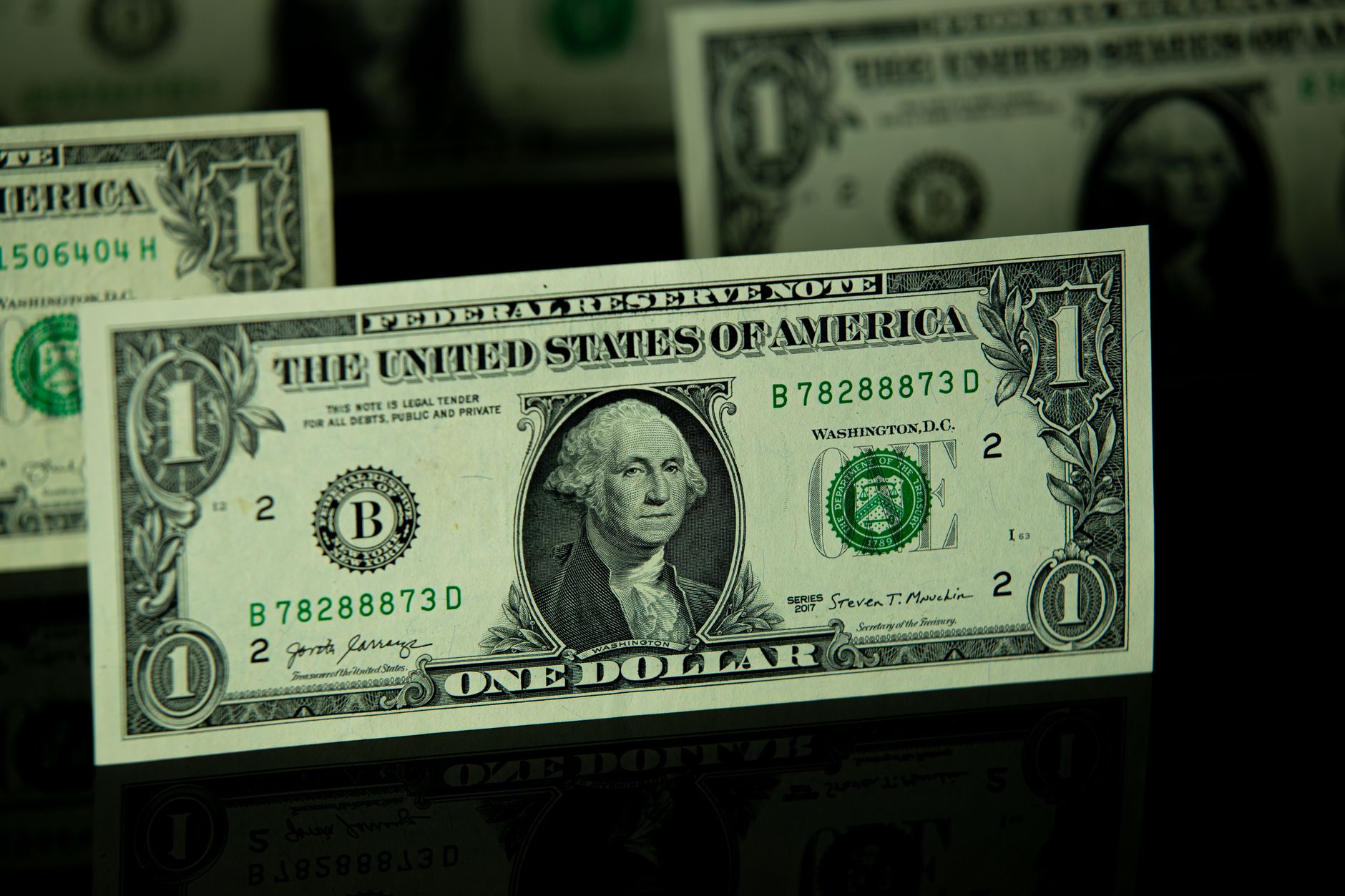
US rate hikes are currently buoying the dollar, reflecting investor confidence in the US economy. As the Federal Reserve signals potential increases, market reactions are shaping currency dynamics.
Understanding US rate hikes and their implications
The recent trends in the financial markets have highlighted the significant influence of US rate hikes on the value of the dollar. As the Federal Reserve adjusts interest rates, investors closely monitor these changes, leading to fluctuating currency values.
Understanding the implications of these rate hikes is crucial for both traders and consumers. The following factors illustrate their impact:
- Increased borrowing costs: Higher rates can lead to more expensive loans, affecting consumer spending and business investments.
- Capital inflow: Higher interest rates often attract foreign investors, which can strengthen the dollar.
- Inflation control: Rate hikes are typically used to combat rising inflation, stabilizing the economy.
In summary, US rate hikes play a vital role in shaping the dollar’s value and the broader economic landscape.
Current trends in the dollar’s performance
The recent trends in the dollar’s performance highlight a strong correlation with anticipated US rate hikes. As investors speculate on the Federal Reserve’s next moves, the dollar has shown resilience against major currencies. This optimism stems from expectations that increased interest rates will attract foreign investments, thereby boosting the dollar’s value.
Key factors influencing this trend include:
- Inflation rates that are prompting discussions on rate adjustments.
- Global economic uncertainty, making the dollar a safe haven.
- Positive economic indicators in the US, reinforcing confidence in the dollar.
As market participants closely monitor the Federal Reserve’s actions, the anticipation of US rate hikes will continue to shape the dollar’s trajectory in the coming months.
Factors influencing currency strength
The strength of a currency is influenced by various factors, particularly in the context of US rate hikes. Understanding these elements can provide insight into the dollar’s performance in global markets.
- Interest Rates: Higher interest rates typically attract foreign capital, increasing demand for the dollar.
- Inflation Rates: Low inflation tends to support currency strength, while high inflation can erode purchasing power.
- Economic Indicators: Strong economic data, such as GDP growth and employment rates, can lead to expectations of rate hikes and boost the dollar.
- Political Stability: A stable political environment fosters investor confidence, impacting currency value positively.
- Global Events: Geopolitical tensions or economic crises can lead investors to seek safe-haven currencies like the US dollar.
Overall, these factors interplay significantly to influence the dollar’s strength, especially in light of potential US rate hikes.
Market reactions to Federal Reserve announcements
Market reactions to Federal Reserve announcements often reflect the immediate sentiment surrounding US rate hikes. Investors closely monitor these announcements, as they can significantly impact the dollar’s value. When the Fed signals potential rate increases, it typically leads to a stronger dollar, as higher interest rates attract foreign capital seeking better returns.
Recent data indicates that anticipation of US rate hikes has buoyed the dollar, with many traders adjusting their positions in response to hints from Federal Reserve officials. Key reactions include:
- Increased trading volumes: Many investors increase their activity in the forex market.
- Shift in currency pairs: The dollar often gains against emerging market currencies.
- Market volatility: Expectations can lead to fluctuations in currency values.
Understanding these reactions is crucial for navigating the currency markets effectively.
Expert opinions on future rate changes
Experts are divided on the potential trajectory of US rate hikes and their impact on the dollar’s value. Mark Johnson, a senior economist, believes that continued rate increases will strengthen the dollar, as higher interest rates often attract foreign investment. He states, “If the Federal Reserve commits to more rate hikes, we can expect the dollar to maintain its upward momentum.”
Conversely, Linda Tran, a currency analyst, cautions that aggressive rate hikes could destabilize market confidence. She emphasizes, “While rate hikes can initially boost the dollar, they may lead to economic slowdowns that eventually weaken it.”
As these experts weigh in, it remains clear that future US rate hikes will play a crucial role in shaping the dollar’s performance in global markets.
Comparative analysis with other currencies
The impact of US rate hikes on the value of the dollar can be observed through comparative analysis with other major currencies. When the Federal Reserve increases interest rates, the dollar often strengthens against currencies like the euro and yen. This is largely due to enhanced yield prospects attracting foreign investment.
For instance, in a recent scenario, the dollar surged against the euro, reflecting the market’s anticipation of further US rate hikes. In contrast, the eurozone’s stagnant growth contributed to a weaker euro.
Similarly, the Japanese yen has faced depreciation as the Bank of Japan maintains its accommodative monetary policy. Overall, the correlation between US rate hikes and dollar strength highlights the significant role that interest rates play in currency valuation.
- US Dollar vs Euro: Strengthened amidst rate hike bets.
- US Dollar vs Yen: Continued depreciation of yen.
Conclusion: The dollar’s future amidst rate hikes
As the landscape of US rate hikes continues to evolve, the future of the dollar remains a subject of keen interest. Investors and analysts are closely monitoring the Federal Reserve’s actions, recognizing that each rate hike can significantly impact the dollar’s strength. The potential for increased interest rates often leads to a stronger dollar, as higher yields attract foreign investment.
However, the interplay of global economic factors and domestic economic indicators will also play a crucial role in determining the dollar’s trajectory. Key considerations include:
- The ongoing recovery from economic downturns
- Inflation rates and their effect on purchasing power
- Geopolitical stability and trade relationships
In conclusion, while US rate hikes provide a positive outlook for the dollar, the market remains vigilant to external pressures that may challenge this upward momentum.
Photo by Sergei Starostin on Pexels
References
Related reading
Positive Market Start: Quick Insights on Today’s Trends · TSLA stock jump: Is it the best time to invest? · Bitcoin ETFs: Are They the Best Investment Option?