

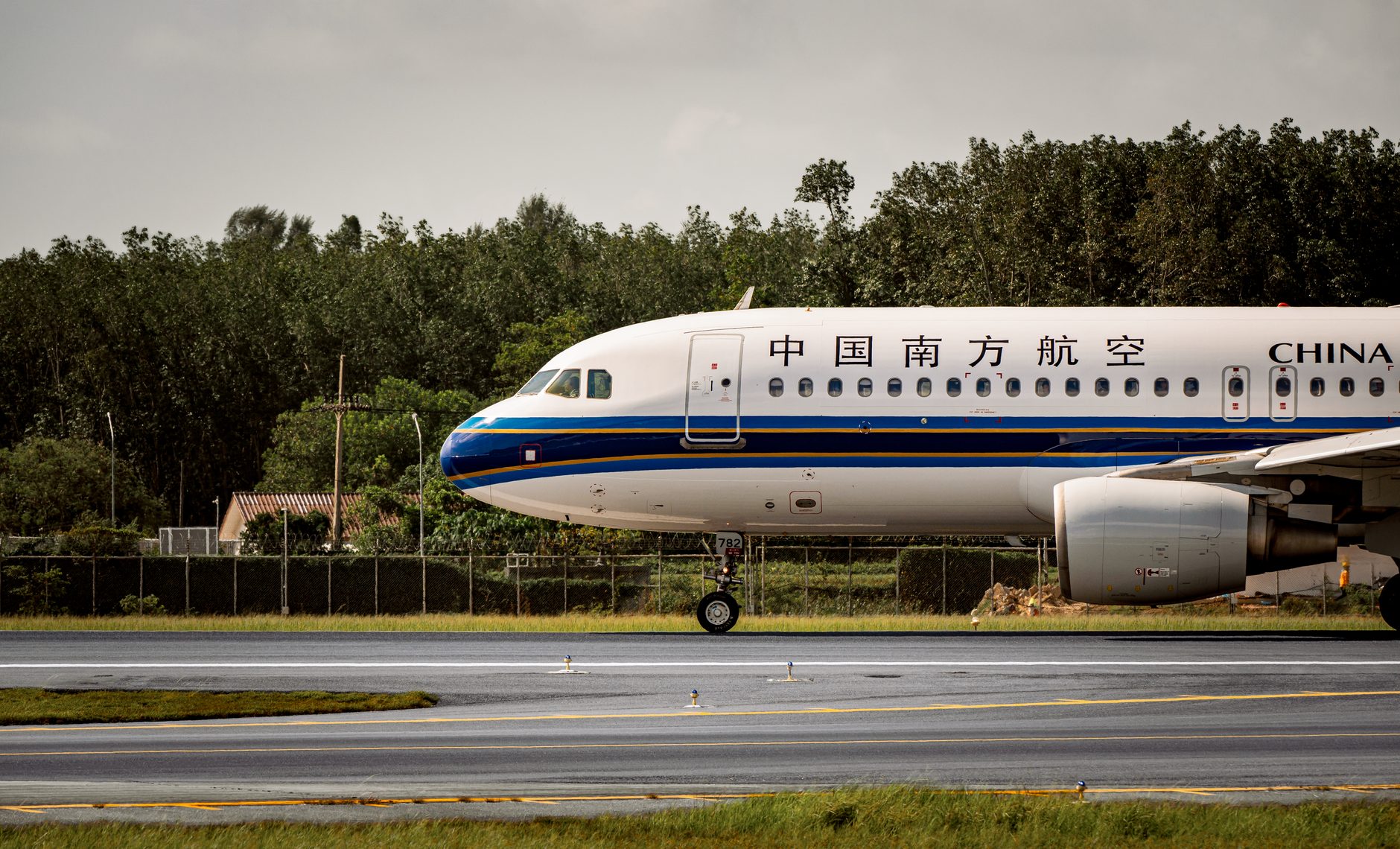
China electric aircraft has successfully completed its maiden manned flight, marking a significant milestone in the aviation industry. This development highlights China’s commitment to advancing electric aviation technology.
Introduction to China’s Electric Aircraft
China is making significant strides in the aviation sector with the development of its electric aircraft. The country’s latest innovation, a 10-ton electric commercial aircraft, recently achieved a successful maiden manned flight, marking a pivotal moment in aviation history. This breakthrough demonstrates not only China’s commitment to sustainable aviation but also its technological prowess in the electric aircraft domain.
The successful flight is a testament to extensive research and development efforts aimed at reducing carbon emissions and promoting environmentally friendly transportation options. As the world increasingly shifts towards greener technologies, China’s electric aircraft stands as a leading example of what the future of aviation can look like.
Key features of this electric aircraft include:
- Reduced operational costs
- Significant reduction in noise pollution
- Lower carbon footprint compared to traditional aircraft
This innovation could revolutionize air travel, paving the way for a cleaner, more efficient future in aviation.
Significance of the Maiden Flight
The significance of the maiden flight of China’s electric aircraft cannot be overstated. This successful test marks a pivotal moment in the evolution of sustainable aviation technology. As the world grapples with climate change, innovations like this electric aircraft demonstrate a commitment to reducing carbon emissions in the aviation sector.
The maiden flight showcased several key advancements:
- Reduced Emissions: The electric aircraft operates with minimal environmental impact, paving the way for greener travel options.
- Cost Efficiency: Lower operational costs could make air travel more accessible to a broader audience.
- Technological Leadership: This achievement positions China as a leader in the burgeoning electric aviation market.
As nations worldwide seek to innovate within the aviation industry, China’s electric aircraft stands out as a proven innovation, emphasizing the potential for a more sustainable future in air travel.
Technological Innovations in Electric Aviation
The recent advancements in electric aviation have showcased remarkable innovations, particularly in China electric aircraft technology. These developments are setting new standards for sustainable flight and reducing carbon emissions in the aviation industry.
Among the key technological innovations are:
- Improved Battery Efficiency: New battery designs have enhanced energy density, allowing for longer flight durations and increased payload capacities.
- Lightweight Materials: The use of advanced composites and lightweight materials has significantly reduced the overall weight of electric aircraft, improving performance and efficiency.
- Advanced Propulsion Systems: Innovative electric propulsion systems are not only quieter but also contribute to a decrease in operational costs.
- Intelligent Flight Systems: Integration of AI and smart technologies in navigation and control systems enhances safety and operational effectiveness.
These innovations position China electric aircraft as a leader in the future of environmentally friendly aviation.
Comparing Electric and Traditional Aircraft
When comparing electric aircraft to their traditional counterparts, several key factors come into play. China electric aircraft represent a significant shift in aviation technology, emphasizing sustainability and efficiency. Traditional aircraft rely heavily on fossil fuels, contributing to environmental degradation and high operational costs. In contrast, electric aircraft utilize electric propulsion systems, which can drastically reduce carbon emissions and operational expenses.
Here are some critical differences between electric and traditional aircraft:
- Environmental Impact: Electric aircraft produce minimal emissions compared to traditional models.
- Operating Costs: The cost of electricity is generally lower than aviation fuel, making electric options more economical over time.
- Noise Pollution: Electric aircraft are quieter, contributing to reduced noise pollution in urban areas.
- Technological Advancements: China electric aircraft leverage cutting-edge technology for improved performance and safety.
These factors highlight the growing importance of electric aircraft in the future of aviation.
Future of Commercial Aviation
The future of commercial aviation is poised for transformation, particularly with innovations like China’s electric aircraft. As environmental concerns mount and the aviation industry seeks sustainable solutions, electric aircraft represent a promising avenue. This new technology not only reduces carbon emissions but also offers significant cost savings on fuel and maintenance.
Experts predict that the widespread adoption of electric aircraft could redefine air travel. The potential for shorter flight times and lower operational costs may lead airlines to reconsider their fleets. Furthermore, advancements in battery technology are expected to enhance the range and efficiency of these electric planes.
Countries around the world are closely monitoring China’s progress in electric aviation, as it sets a benchmark for future developments. Manufacturers are likely to invest heavily in research and development, driving competition and innovation in this burgeoning sector. The promise of a cleaner, more efficient aviation industry may soon become a reality, with China’s electric aircraft leading the charge.
Challenges Facing Electric Aircraft
The emergence of China’s electric aircraft marks a significant milestone in aviation; however, several challenges remain before widespread adoption can occur.
One of the primary hurdles is battery technology. Current batteries often lack the necessary energy density to support long-haul flights, which limits the operational range of electric aircraft.
Additionally, the existing infrastructure for charging and maintaining electric aircraft is underdeveloped. Airports need to invest in facilities that can accommodate these new technologies, posing a financial challenge.
Furthermore, regulatory hurdles must be addressed. Aviation authorities need to establish safety standards and guidelines specifically tailored for electric aircraft, which could delay certification processes.
Lastly, public perception remains a barrier. Many potential passengers are still skeptical about the reliability and safety of electric aviation compared to traditional aircraft.
Overall, while China’s electric aircraft showcase promising innovation, overcoming these challenges is critical for their future success in the aviation market.
Conclusion and Implications for the Industry
In conclusion, China’s electric aircraft represents a significant leap forward in the aviation industry. With its successful maiden flight, this innovation demonstrates the feasibility and potential of electric propulsion systems in commercial aviation. The implications of this development are profound, as it not only showcases China’s engineering capabilities but also sets a benchmark for other countries and manufacturers to follow.
The shift towards electric aircraft could lead to substantial reductions in carbon emissions, aligning with global sustainability goals. Moreover, the advancements in battery technology and aerodynamics can pave the way for more efficient travel options.
As industries adapt to these changes, it will be crucial to address the challenges that remain, including infrastructure development and regulatory frameworks. The future of aviation is likely to be heavily influenced by innovations such as China’s electric aircraft, marking a transformative era for air travel that prioritizes both efficiency and environmental responsibility.
As the aviation industry seeks sustainable alternatives, China electric aircraft have emerged as a leading solution. The advancements in technology make China electric aircraft the best proven innovation in aviation today.
Photo by Optical Chemist on Pexels
Sources
- AI Agent Identity Security: Proven Strategies for Safety
- Phoenix International Limited Q2 Results: Clear Insights
- Telefônica Brasil earnings: Proven results beat forecasts