

What Does Functional Recovery Really Involve?
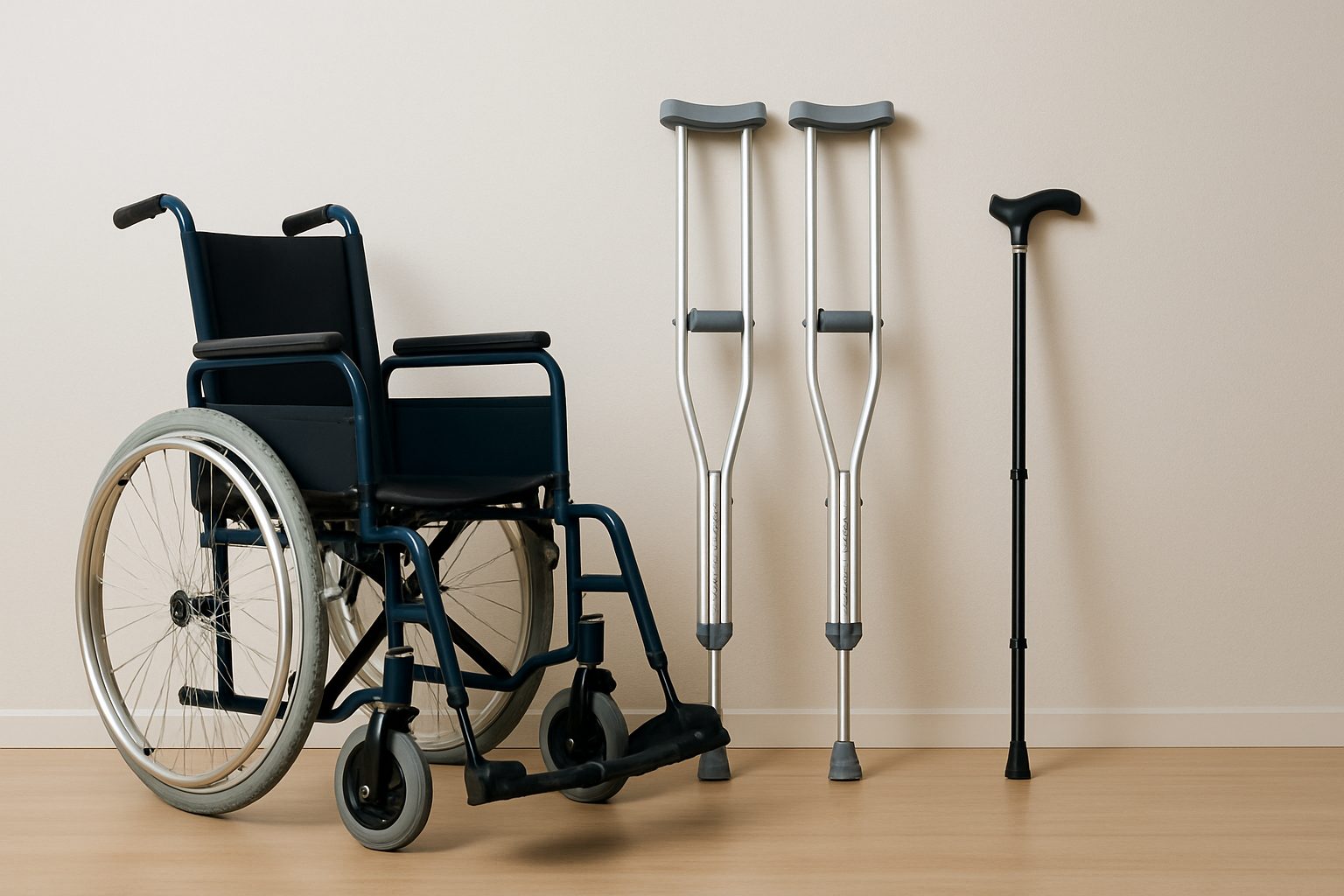
Functional recovery is about more than reducing discomfort or returning to a previous activity. It involves rebuilding or maintaining the physical abilities necessary for everyday independence. Walking comfortably, changing positions, maintaining balance, and completing household responsibilities are all meaningful indicators of functional health.
A structured approach to recovery considers these practical outcomes alongside the individual’s medical circumstances. The subject of Dr Lauren Papa offers an opportunity to examine how individualized healthcare planning, consistent monitoring, and patient participation can contribute to a more comprehensive understanding of physical recovery.
Why Should Recovery Goals Be Clearly Defined?
Clear goals help patients and healthcare professionals understand what progress should look like. Without specific objectives, recovery can become difficult to evaluate because improvements may not always be obvious.
Functional goals should reflect the individual’s daily requirements. For one person, success may involve walking comfortably through the neighborhood. Another individual may prioritize returning to work, improving balance, or managing routine household activities.
Healthcare professionals can help establish appropriate objectives by considering medical findings, physical capabilities, and personal expectations.
How Does Professional Evaluation Shape a Recovery Plan?
An appropriate evaluation provides the foundation for informed care decisions. It may involve reviewing medical history, examining movement patterns, assessing strength, and identifying limitations affecting everyday activities.
These findings help determine which interventions may be appropriate. Depending on clinical requirements, a recovery strategy could involve rehabilitation, guided physical activity, therapeutic exercises, or additional medical assessment.
A well-organized plan should also account for existing health conditions and any restrictions that could influence physical activity.
Why Is Gradual Progress Important?
Recovery does not always follow a predictable timeline. Physical responses vary according to the nature of an injury or condition, overall health, treatment requirements, and individual circumstances.
Gradual progression allows activities to be adjusted according to tolerance and professional guidance. Increasing exercise intensity without appropriate supervision may create unnecessary strain.
Monitoring changes in functional abilities helps determine whether a particular activity remains suitable. Relevant indicators include walking distance, movement control, balance, strength, and the ability to complete familiar tasks.
What Can Patients Do Between Professional Appointments?
Daily habits can support a carefully designed recovery strategy. Patients may be encouraged to follow prescribed exercises, maintain suitable activity levels, avoid movements that conflict with medical instructions, and report unexpected symptoms.
Communication is particularly important. New weakness, persistent discomfort, swelling, or significant changes in mobility may require further assessment rather than simply increasing exercise efforts.
The approach associated with Dr Lauren Papa can be understood through the importance of connecting professional recommendations with practical patient involvement. Recovery becomes more manageable when individuals understand their responsibilities and know when to seek additional guidance.
How Does Emotional Well-Being Influence Recovery?
Physical limitations can affect confidence, motivation, and social participation. Individuals who struggle with familiar activities may experience frustration or uncertainty about their future abilities.
Supportive communication and realistic expectations can help address these concerns. Recognizing small functional improvements may also encourage continued engagement.
Healthcare professionals should consider the emotional experience of recovery alongside physical observations. A comprehensive approach acknowledges that quality of life includes both physical capabilities and personal confidence.
Why Should Recovery Plans Be Reviewed Regularly?
Recovery requirements may change as physical abilities improve or new concerns develop. Regular reviews provide an opportunity to evaluate progress, reconsider objectives, and modify recommendations.
These discussions can also identify barriers that may prevent patients from following their plans. Practical adjustments can make activities more manageable and relevant to everyday routines.
What Defines Meaningful Long-Term Recovery?
Meaningful recovery is reflected in practical improvements that support independence and participation. Reduced movement difficulties, better balance, increased confidence, and improved ability to manage daily responsibilities are valuable outcomes.
Ultimately, Dr Lauren Papa provides a framework for discussing the wider importance of structured recovery principles. Consistent healthcare guidance, realistic goals, individualized planning, and ongoing evaluation can help individuals work toward lasting functional improvements and a better quality of life.
At a Glance
- Functional recovery encompasses rebuilding physical abilities necessary for everyday independence, rather than merely reducing discomfort.
- Clear recovery goals should reflect individual daily requirements, such as walking comfortably or managing household tasks.
- An appropriate evaluation involves reviewing medical history and assessing movement patterns to inform care decisions.
- Gradual progress in recovery allows for adjustments based on individual tolerance and professional guidance, minimizing the risk of strain.
- Patients should maintain daily habits that support recovery, including following prescribed exercises and communicating any changes in their condition.
- Emotional well-being plays a critical role in recovery, influencing confidence and motivation, which healthcare professionals should consider alongside physical observations.