

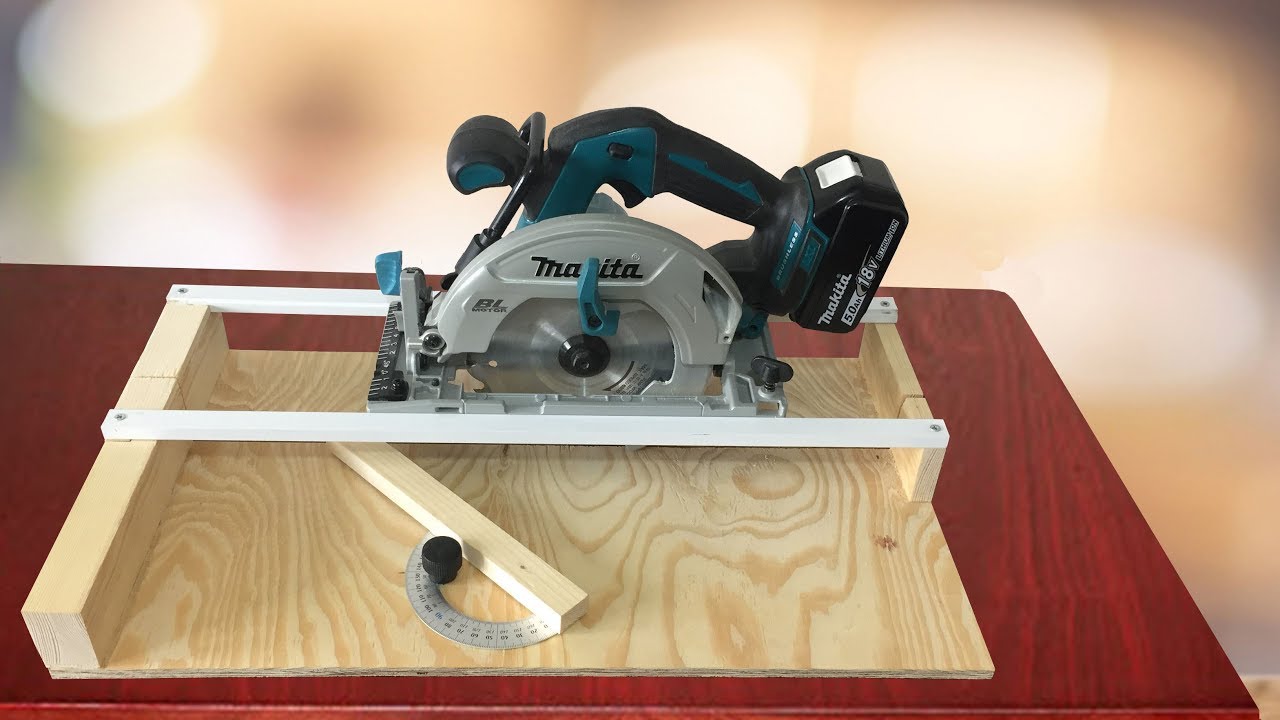
Power tools demand respect. The circular saw, with its high-speed rotating blade and substantial motor force, is a tool where proper technique and safety awareness are not optional extras—they are fundamental to every cut. Whether you are new to using this type of tool or looking to reinforce good habits, this guide outlines the practices and precautions that keep operators safe and results accurate. The circular saw blade spins toward the operator from the underside of the cut.
Understanding Where Risks Come From
Most accidents involving circular saws share a common origin: a loss of control. This can happen through kickback, material movement, improper clamping, or an operator position that leaves no margin for error. Understanding the mechanics of these risks makes them far easier to prevent.
When the blade binds in the kerf—pinched by a closing cut, a knot in the wood, or inadequate material support—it can eject backward with significant force. This event, known as kickback, happens faster than reaction time allows. Prevention is the only reliable protection.
Workpiece Support: The Foundation of Safe Cutting
How you support your material before making a cut determines whether the kerf stays open throughout the cut or closes and binds the blade. Proper support means the offcut piece can move freely away from the blade as the cut is completed, not toward it.
Cutting sheet goods flat on the floor or a workbench requires support on both sides of the cut line, with the blade depth set to extend slightly below the material surface. Without adequate support, the offcut drops and pivots as the cut nears completion—pinching the blade and causing kickback.
Sawhorses positioned to support both sections of longer boards are an effective and low-cost solution for site work. In a shop environment, outfeed support tables or roller stands provide consistent support for large panels.
Blade Depth Setting: Less Exposure, More Control
Many users set their blade depth far deeper than necessary, exposing a large arc of spinning blade below the workpiece. Correct blade depth means the blade clears the bottom surface of the material by a small margin—enough to complete the cut cleanly without excessive blade exposure.
Shallower blade settings reduce the risk of serious injury if contact occurs and limit how aggressively the blade can grab material during kickback. This adjustment takes seconds and makes a meaningful difference in safety outcome.
Personal Protective Equipment for Circular Saw Operation
Safety glasses or goggles protect against blade fragments and wood chips moving at high speed. These events are uncommon but unpredictable—and the consequences of unprotected eye contact with debris are severe. Make eye protection non-negotiable before every cut.
Hearing protection is warranted for extended cutting sessions. Circular saws generate sustained noise levels that cumulatively affect hearing over years of regular use. Foam earplugs or earmuff-style protectors are equally effective.
Avoid loose-fitting clothing, dangling jewelry, or unsecured long hair near any rotating blade. These items can catch and pull an operator into the blade with no warning. Fitted clothing and secure hair are basic precautions that cost nothing to observe.
The Retractable Blade Guard: Respect It, Don’t Defeat It
The lower blade guard is a spring-loaded safety feature that covers the blade before and after each cut. It retracts automatically as the saw enters the workpiece and returns when the cut is complete. Some operators find guards inconvenient in certain cutting positions and are tempted to disable or tie them back.
This is an extremely dangerous practice. The guard exists specifically to cover the blade in the moments—before entering the cut and after exiting it—when contact risk is highest. A guard that returns slowly or sticks is worth repairing or replacing. Removing it entirely is not an acceptable solution.
Trigger Discipline and Blade Stopping
Releasing the trigger does not immediately stop the blade. On saws without an electric brake, the blade continues spinning for several seconds after power is cut. During this time, the exposed blade is as capable of causing injury as when under power.
Wait for the blade to come to a complete stop before setting the saw down. Never carry a saw with a spinning blade, and never set it on a surface with the guard retracted. Saws equipped with electric brakes stop the blade within a second or two of trigger release—a feature worth prioritizing, particularly for users making frequent cuts.
Body Positioning During Cuts
Stand to the side of the saw’s intended cut path, not directly behind it. In a kickback event, the saw travels back along the cut line with considerable force. An operator standing directly behind the tool is in the direct path of that force.
Maintain a balanced, stable stance with both feet planted firmly. Reaching across the body, cutting above shoulder height, or leaning over the cut path reduces stability and control. If a cut requires an awkward position, reconsider the setup rather than proceeding in a compromised posture.
Cord and Battery Management
For corded saws, route the power cord over your shoulder or behind you, keeping it well clear of the blade path before beginning each cut. A cord that passes across the workpiece or under the saw’s base plate creates a cutting hazard that can sever the cord and cause electrical shock.
For cordless saws, confirm the battery is fully seated and locked before each use. A battery that partially ejects during a cut can interrupt power unexpectedly, causing the saw to stall and potentially bind in the kerf.
Pre-Cut Checks Every Time
Developing a brief pre-cut routine eliminates many common accidents. Before each cut, confirm that:
The blade guard moves freely and returns correctly
The blade is sharp, undamaged, and correctly installed
The workpiece is clamped or otherwise secured against movement
The cut line is clearly marked and visible from the operator position
The blade depth is set appropriately for the material thickness
Your stance and grip are stable and comfortable
These checks take less than a minute and establish the conditions for a safe, accurate cut.
Investing in Long-Term Safety Habits
Circular saw safety is not about caution slowing you down—it is about developing habits that allow you to work efficiently and confidently over a long career. The woodworkers and contractors who accumulate decades of experience without incident are those who treat safety practices as professional standards, not inconveniences.
Each safe cut reinforces good technique. Each shortcut taken chips away at the margin that keeps experienced operators out of harm’s way.