

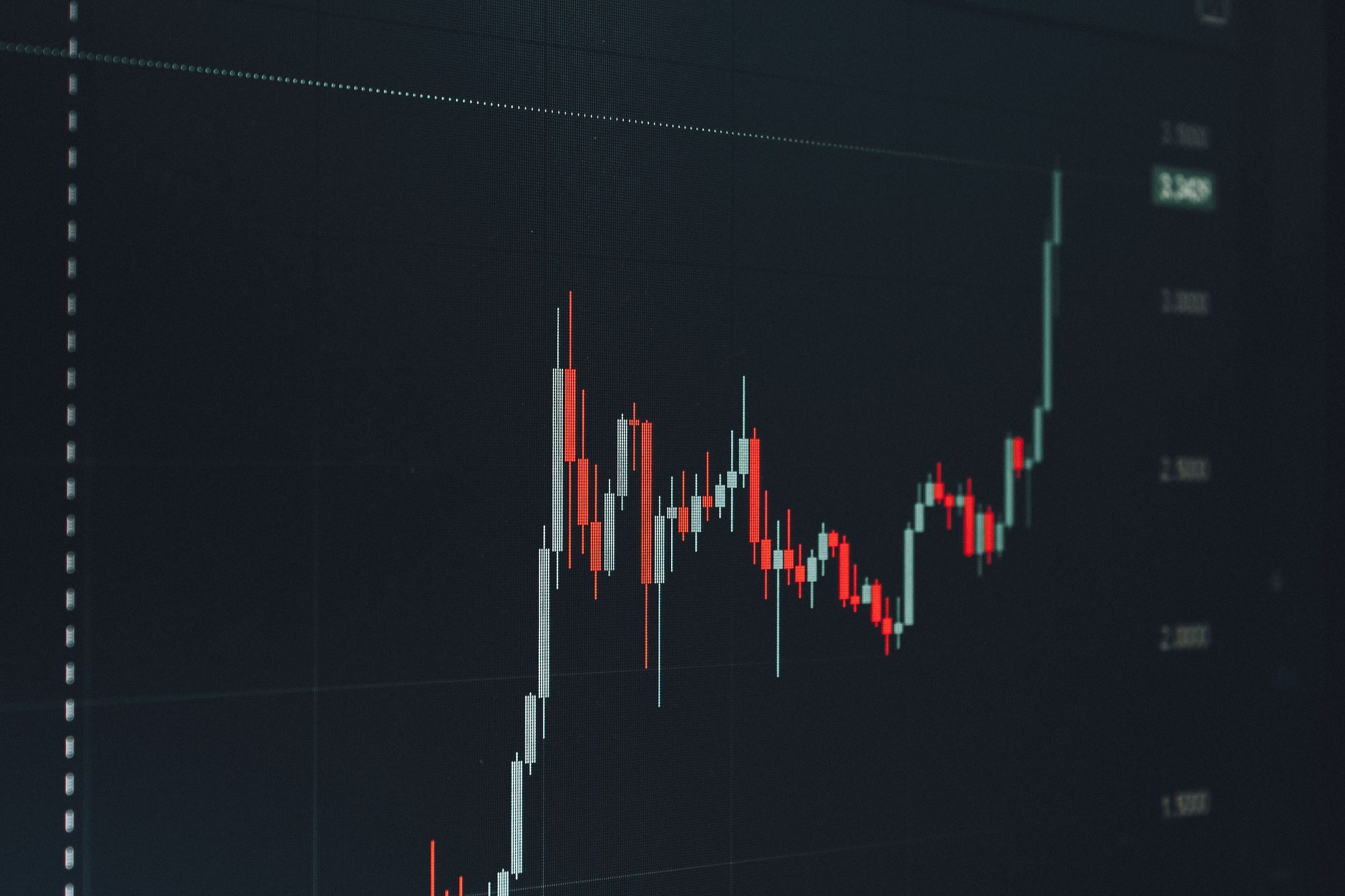
XRP price crash has left many investors puzzled as it falls back below $1.50. Despite recent ETF inflows, unexpected factors have contributed to this downturn.
Understanding the XRP Price Dynamics
The recent XRP price crash has sent shockwaves through the cryptocurrency market, raising concerns about the overall stability of digital assets. Despite optimistic projections following significant ETF inflows, XRP has plummeted back below $1.50. This unexpected downturn has left investors questioning the fundamentals of XRP’s price dynamics.
Several factors contribute to the volatility of XRP prices:
- Market Sentiment: Investor confidence can shift rapidly, often influenced by news events or regulatory developments.
- Liquidity Levels: The availability of XRP on exchanges can impact its price, with lower liquidity potentially exacerbating price swings.
- Speculation: Traders often buy and sell based on anticipated movements, which can lead to significant fluctuations during times of uncertainty.
- Technological Developments: Updates or changes to the XRP Ledger can also affect investor perception and market behavior.
As the cryptocurrency market continues to evolve, understanding these dynamics is crucial for investors navigating the aftermath of the XRP price crash.
Factors Behind XRP’s Recent Decline
The recent XRP price crash can be attributed to several key factors that have unsettled investors and market analysts alike. As the cryptocurrency market continues to evolve, understanding these influences is crucial for gauging future movements.
- Regulatory Concerns: Ongoing scrutiny from regulatory bodies has cast uncertainty over XRP’s status, leading to increased volatility.
- Market Sentiment: A general downturn in the cryptocurrency market has prompted many investors to pull back, affecting XRP’s price stability.
- Competition: The emergence of new blockchain technologies and cryptocurrencies has intensified competition, diverting attention and investment away from XRP.
- Technical Analysis: Recent price movements have triggered sell signals among traders, further exacerbating the XRP price crash.
- ETF Inflows: Despite positive signals from exchange-traded funds (ETFs), market reactions were muted, highlighting a disconnect between potential growth and current performance.
Understanding these factors is essential for investors hoping to navigate the turbulent waters of the cryptocurrency market amid the fallout from the XRP price crash.
Impact of ETF Inflows on XRP
The recent XRP price crash has raised concerns among investors regarding the stability of the cryptocurrency market. One of the key factors influencing this downturn has been the unexpected impact of Exchange-Traded Fund (ETF) inflows.
Despite the anticipation surrounding potential ETF approvals, which were expected to bring significant capital into the market, the reality proved to be different. The following points highlight the effects of ETF inflows on XRP:
- Market Sentiment: The initial excitement over ETF inflows created a temporary boost in XRP’s value, but subsequent negative news led to a swift reversal.
- Speculative Trading: Many investors engaged in speculative trading, leading to volatility that ultimately contributed to the XRP price crash.
- Liquidity Issues: Increased trading volumes from ETF-related activities did not translate to sustained demand for XRP, revealing underlying liquidity issues.
- Regulatory Concerns: Ongoing regulatory scrutiny surrounding cryptocurrencies has further compounded the uncertainty, causing many to pull back their investments.
As a result, the market’s reaction to ETF inflows has proven to be detrimental, exacerbating the recent XRP price crash and shaking investor confidence.
Market Reactions to XRP’s Price Crash
The recent XRP price crash has sent shockwaves through the cryptocurrency market, prompting varied reactions from investors and analysts alike. Many are expressing concerns about the overall stability of the market, as XRP’s decline appears to exacerbate existing volatility.
Market participants are closely monitoring several key responses, including:
- Investor Sentiment: Many investors are anxious, with some choosing to cut their losses and exit positions, fearing further declines.
- Market Volatility: The crash has increased trading volumes, with many traders attempting to capitalize on the price fluctuations.
- Regulatory Scrutiny: The price drop has reignited discussions about regulatory clarity in the cryptocurrency space, with calls for stronger oversight to prevent such drastic movements.
- Future Predictions: Analysts are divided, with some predicting a quick recovery while others warn of a prolonged downturn.
In summary, the market reactions to the XRP price crash reveal a cautious approach among investors, highlighting the fragility of market stability in the face of such sudden shifts.
Expert Opinions on XRP’s Future
As the XRP price crash reverberates through the cryptocurrency market, industry experts are weighing in on the potential future of this digital asset. Analysts are divided, with some asserting that XRP could recover, while others express concerns about its long-term viability.
One prominent financial analyst stated, “The recent XRP price crash highlights the volatility inherent in the crypto market. Investors need to remain cautious and informed.” This sentiment echoes among many, who believe the current market instability is a wake-up call for investors.
In contrast, a cryptocurrency strategist commented, “Despite the dip, XRP’s fundamentals remain strong, and with regulatory clarity, we could see a rebound.” This optimism hinges on potential developments in legislation and market acceptance.
Experts suggest that the following factors will play a crucial role in determining XRP’s future:
- Regulatory Developments: Clarity on regulations may bolster investor confidence.
- Market Sentiment: Reactions to price movements can shift rapidly.
- Technological Innovations: Enhancements in the XRP ledger may attract new users.
Comparison with Other Cryptocurrencies
The recent XRP price crash has raised concerns about the overall stability of the cryptocurrency market. To better understand its impact, it is essential to compare XRP’s performance with that of other major cryptocurrencies.
- Bitcoin: As the leading cryptocurrency, Bitcoin has shown relative resilience during market fluctuations. While it experienced a decline, it has managed to maintain a stronger price level compared to XRP, which fell below $1.50.
- Ethereum: Ethereum’s price has also seen volatility but has not faced a crash as severe as XRP’s. This discrepancy highlights how XRP’s unique circumstances may pose greater risks to investors.
- Litecoin: Litecoin, which often mirrors Bitcoin’s trends, has faced its share of challenges but has not seen a crash comparable to XRP’s recent downturn, indicating a more stable performance.
- Ripple’s Competitors: Other cryptocurrencies, like Stellar and Cardano, have also exhibited more stable price movements, further emphasizing the significant impact of the XRP price crash on market confidence.
Overall, XRP’s recent decline serves as a reminder of the unpredictable nature of the cryptocurrency landscape.
Investor Sentiments on XRP
Investor sentiments around XRP have shifted dramatically following the recent price crash. Many traders who previously held a bullish outlook are now expressing concerns about the cryptocurrency’s future. The sharp decline below $1.50 has left a mark on the confidence levels of both retail and institutional investors.
In light of the crash, several key sentiments have emerged:
- Disappointment: Many investors expected the ETF inflows to stabilize XRP’s price, but the opposite has occurred. This has led to widespread disappointment and skepticism regarding future price movements.
- Fear of Further Losses: With the current market volatility, a significant number of investors are worried that the XRP price crash could lead to further declines, prompting them to liquidate their holdings.
- Long-term Perspective: Despite the recent turmoil, some investors are maintaining a long-term outlook, believing that XRP will eventually recover as market conditions improve.
Overall, the XRP price crash has created a turbulent environment that has left many questioning the stability of the cryptocurrency market.
Technical Analysis of XRP Trends
The recent XRP price crash has raised concerns among investors and analysts alike, leading to a deeper examination of market trends. Technical analysis indicates several key patterns that contributed to the sudden decline.
Initially, XRP experienced significant upward momentum, driven by positive sentiment following news of potential ETF inflows. However, this bullish trend was disrupted by a series of factors that led to heightened volatility. Key indicators to consider include:
- Support and Resistance Levels: XRP struggled to maintain support above the $1.50 mark, leading to increased selling pressure as investors sought to minimize losses.
- Moving Averages: The 50-day and 200-day moving averages crossed, signaling a potential bearish trend and prompting further declines.
- Volume Analysis: A surge in trading volume during the price drop indicated panic selling, which exacerbated the decline.
As traders assess these technical indicators, the overall sentiment remains cautious. The path forward for XRP will depend on its ability to recover and regain investor confidence in the wake of this tumultuous price crash.
Photo by Arturo A on Pexels
Where this came from
- NSE shares rise: Proven strategies for stock market success
- Bitcoin ETFs News: Best Proven Insights on Market Trends
- Stocks Falling Today: The Worst Reasons Behind Market Decline